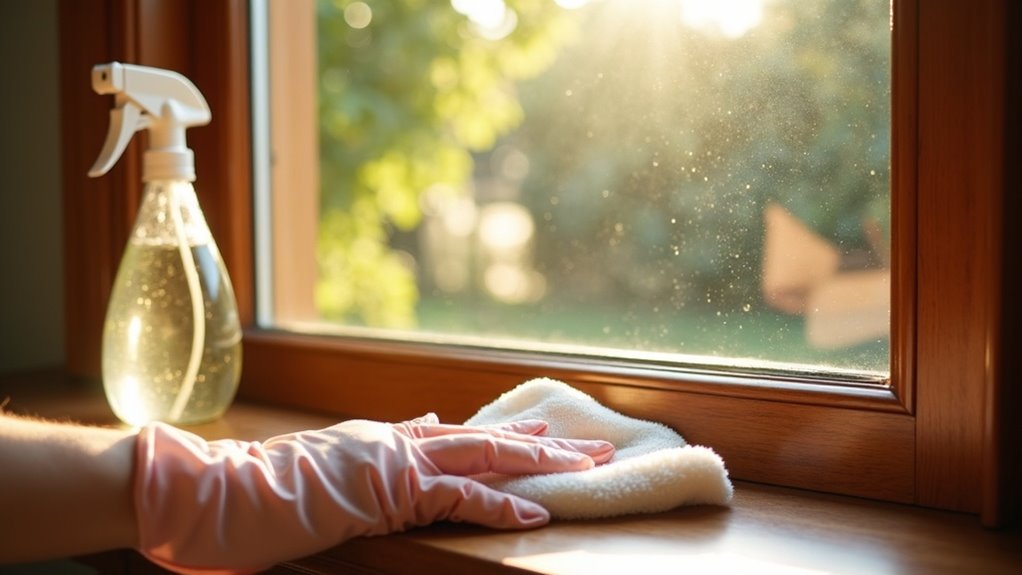
To clean high touch surfaces like doorknobs and light switches, start by wiping them with soap and water to remove dirt and dust. Then, follow up with a disinfectant that’s suitable for that surface, ensuring you cover all areas thoroughly. It’s best to clean these surfaces 2 to 3 times a day, especially in shared spaces. Consistent cleaning minimizes germ transmission and promotes health. Want to know more about effective practices and scheduling?
Key Takeaways
- Clean high touch surfaces at least 2 to 3 times a day to minimize germ transmission.
- Use a two-step process: first clean to remove dirt, then disinfect to kill germs.
- Pay special attention to frequently used items like doorknobs, light switches, and remote controls.
- Document cleaning efforts with a log to ensure accountability and track frequency.
- Use single-use items for drying to prevent cross-contamination during the cleaning process.
What Are High Touch Surfaces?
High touch surfaces are the everyday areas you often encounter, like door handles and light switches, that can easily collect germs.
These frequently contacted spots, including keyboards and shared kitchen appliances, serve as critical points for infection transmission.
Research shows that viruses can survive on these surfaces for up to two days, highlighting the importance of disinfecting high-touch surfaces regularly.
Viruses can linger on high-touch surfaces for up to two days, underscoring the need for regular disinfection.
The UK Government recommends this practice to promote public health and prevent infections.
Alongside surface disinfection, effective handwashing is essential to further reduce the spread of germs, ensuring you serve others in a safe and healthy environment.
Examples of High Touch Surfaces
High touch surfaces are everywhere in our daily lives, from kitchen counters to office desks.
In both household and workplace settings, items like doorknobs, light switches, and shared equipment require regular attention to minimize germ spread.
Even in public facilities, surfaces like stair railings and bathroom fixtures need proper cleaning to keep you and others safe.
Common Household Surfaces
Everyday items in your home can become breeding grounds for germs and bacteria due to frequent contact. High touch surfaces like doorknobs, light switches, and kitchen countertops require regular cleaning to maintain hygiene.
Don’t forget remote controls, cell phones, and touch screens; these often-overlooked items also need to be cleaned and disinfected.
In bathrooms, faucet handles and toilet flush levers accumulate pathogens, making their sanitation essential.
Dining tables and chairs, touched often during meals, deserve consistent attention.
Finally, shared appliances like microwaves and fridges should be disinfected regularly to prevent cross-contamination and keep your household healthy.
Workplace High-Touch Areas
In the workplace, surfaces that people frequently touch can be hotbeds for germs and bacteria, similar to those found in homes. Common high-touch areas include door handles, keyboards, phones, and light switches.
Shared kitchen appliances like microwaves and fridges also require regular disinfecting to minimize contamination. Don’t overlook workstations and communal areas, as desks and chairs should be part of your proactive cleaning schedule.
Additionally, bathroom facilities, particularly toilets, sinks, and flush handles, are critical high-touch areas needing frequent sanitation. Regularly cleaning these surfaces is essential for reducing illness risk and promoting a healthier workplace environment.
Shared Public Facilities
Shared public facilities often contain numerous high-touch surfaces that can easily become contaminated. To protect yourself and others, be aware of these areas:
- Door handles
- Light switches
- Stair railings
- Bathroom fixtures (toilet flush handles, sinks)
- Shared kitchen appliances (microwaves, coffee makers)
Regular cleaning and sanitization are essential.
Use disinfectant wipes to clean these high-touch surfaces at least 2 to 3 times daily, especially during peak hours. This simple action helps minimize the spread of germs and keeps everyone safer.
Importance of Cleaning High Touch Surfaces
Cleaning high touch surfaces is essential because these areas are frequently contacted by multiple individuals, which increases the risk of germ transmission and potential illness.
Effective cleaning can remove up to 97% of germs, while disinfecting is necessary to kill the remaining pathogens.
By regularly cleaning high touch surfaces, you can greatly prevent the spread of infections, as viruses can survive on surfaces for up to 48 hours.
Establishing a routine fosters a culture of cleanliness in your environment, promoting overall health safety and ensuring that you serve others effectively.
Prioritize this task to maintain a hygienic space for everyone.
How Often Should High Touch Surfaces Be Cleaned?
To keep germs at bay, you should clean high touch surfaces at least 2 to 3 times a day.
For extremely high traffic areas, like door handles and shared equipment, it’s best to clean them after each use.
Cleaning Frequency Guidelines
High touch surfaces need attention—aim to clean and disinfect them at least 2 to 3 times a day to effectively curb germ transmission.
Here are some cleaning frequency guidelines to follow:
- Clean shared surfaces like doorknobs and light switches after each use.
- Deep clean high-traffic areas at least once daily.
- Prioritize frequently used surfaces for more regular cleaning.
- Establish a routine to promote a culture of cleanliness.
- Encourage team members to participate in maintaining hygiene.
Traffic-Dependent Cleaning Schedule
Establishing a traffic-dependent cleaning schedule guarantees that high touch surfaces receive the attention they need based on usage patterns.
For areas with very high traffic, like doorknobs and shared equipment, clean these surfaces immediately after each use to minimize contamination risks.
In communal spaces, aim for cleaning high touch surfaces at least 2 to 3 times daily.
Adjust the cleaning frequency according to a risk assessment of user numbers and activities.
Additionally, conduct regular deep cleaning at least once a day to confirm thorough sanitation and maintain a culture of cleanliness that promotes health safety in your environment.
Cleaning Vs Disinfecting
While many people often use the terms “cleaning” and “disinfecting” interchangeably, they serve distinct purposes in maintaining hygiene.
- Cleaning removes dirt, dust, and germs.
- Disinfecting kills germs and viruses on surfaces.
- Effective cleaning can eliminate up to 97% of germs.
- A two-step process enhances effectiveness: clean first, then disinfect.
- Regular maintenance is essential in high-traffic areas.
To achieve the best results, use cleaning agents to first clear surfaces of contaminants, followed by disinfecting to address any remaining pathogens.
This approach is fundamental in reducing the risk of infection and ensuring a safe environment for everyone.
Steps for Effectively Cleaning High Touch Surfaces
To effectively clean high touch surfaces, start by pre-cleaning to remove visible dirt and grime, which enhances the efficacy of disinfectants.
Start with pre-cleaning high touch surfaces to eliminate dirt and improve disinfectant effectiveness.
Follow the six stages of cleaning: pre-clean, main clean, rinse, disinfection, final rinse, and drying.
Implement a cleaning schedule that includes periodic cleaning at least 2-3 times daily and deep cleaning once a day for high touch surfaces.
Use appropriate cleaning products according to manufacturer instructions, ensuring they target workplace microorganisms and suit the surface material.
Prioritize frequently used or shared surfaces to maintain a healthy environment for everyone you serve.
Best Practices for Disinfecting High Touch Surfaces
When you aim to maintain a healthy environment, following best practices for disinfecting high touch surfaces is essential.
To effectively reduce the risk of germ transmission, consider these key strategies:
- Clean high touch surfaces 2-3 times daily, especially in shared spaces.
- Use a two-step process: clean first, then disinfect.
- Choose effective cleaning products that target workplace microorganisms.
- Implement a daily deep cleaning schedule for high-traffic areas.
- Utilize single-use items for drying to prevent contamination.
Creating a Cleaning Schedule for High Touch Surfaces
Maintaining a consistent cleaning schedule for high touch surfaces is key to minimizing germ transmission in any environment. Identify specific surfaces, like door handles and light switches, and prioritize them in your routine.
Clean and disinfect these areas at least 2 to 3 times daily, adjusting frequency based on usage. Employ a two-step process: first, clean to remove dirt and germs, then disinfect to eliminate remaining pathogens.
Document your efforts with a cleaning log to guarantee accountability and foster a culture of cleanliness. By adhering to a well-structured cleaning schedule, you’ll promote a safer environment for everyone.