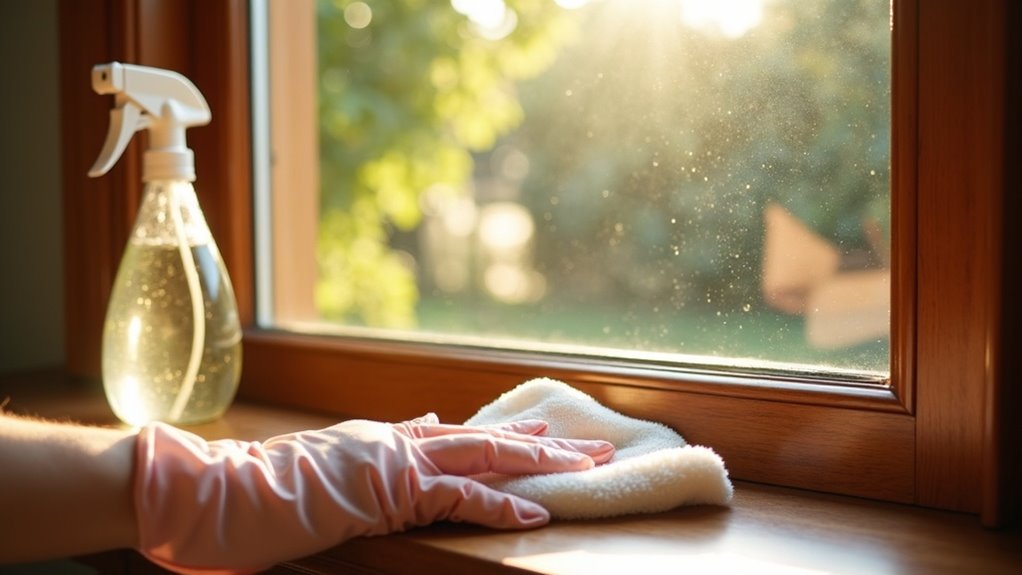
To wipe plant leaves, use a soft microfiber cloth dampened with lukewarm water for gentle cleaning. For larger plants, misting with a diluted soap solution helps, while smaller plants can be rinsed in a sink. Always check the undersides of leaves for dust and debris. For stubborn residues, a soft brush with diluted vinegar or soap can be effective. If you want to enhance your plant care routine further, consider exploring additional tips on maintenance.
Key Takeaways
- Use a soft microfiber cloth dampened with lukewarm water to gently wipe the leaves, ensuring you cover both sides.
- For larger plants, mist leaves with a spray bottle containing plain water or a mild soap solution.
- Regularly check the undersides of leaves for dust accumulation and wipe them carefully.
- For stubborn debris, use a soft brush dampened with diluted vinegar or lemon juice to lift away residue.
- Always support the base of leaves while cleaning to prevent breakage and avoid using harmful leaf shine products.
Importance of Cleaning Plant Leaves
Cleaning plant leaves is essential for maintaining their health and vigor, as it directly impacts their ability to photosynthesize effectively. By keeping leaves clean, you enhance light absorption and promote robust growth.
Regular cleaning also improves the overall appearance of your plants, making them more vibrant and appealing. Dust accumulation can attract pests and diseases, so maintaining clean leaves reduces these risks and boosts plant liveliness.
For best results, use a soft cloth and consider incorporating leaf shine products to enhance aesthetics. Remember, periodic cleaning allows for early detection of health issues, ensuring your plants thrive in their environment.
Required Tools and Materials
To effectively wipe plant leaves, you’ll need a few essential tools and materials that simplify the process. A spray bottle filled with lukewarm water helps mist the leaves, while a damp cloth is perfect for wiping them clean.
For regular maintenance, a soft duster or brush is invaluable, and a stiff brush tackles stubborn debris. Consider using plastic wrap to protect the soil during cleaning and dish detergent for diluted solutions. A bucket can be beneficial for dunking smaller plants.
Verify all tools are clean before use to prevent introducing pests or diseases to your clean houseplant leaves.
Cleaning Methods
Once you’ve gathered your tools and materials, you can begin the process of cleaning your plant leaves effectively.
Use a soft microfiber cloth, dampened with lukewarm water, to gently wipe the leaves, supporting each leaf to prevent damage.
For larger plants, mist leaves with a spray bottle containing a mild soap solution or plain water, ensuring even coverage.
Smaller plants might be rinsed in a deep kitchen sink or with a handheld shower.
Always check the undersides, as dust accumulates there.
For stubborn residue, use a soft brush with diluted vinegar or lemon juice, rinsing afterward to eliminate acidity.
Special Techniques for Stubborn Debris
For stubborn debris on your plant leaves, start by using a soft brush to gently lift away any sticky or fuzzy residue without risking damage.
If tougher spots persist, a diluted vinegar or lemon juice solution can help, but be cautious not to overuse these acidic cleaners.
Always support the leaves’ base while cleaning to maintain their integrity and prevent breakage.
Soft Brush Application
Although stubborn debris can be a challenge, using a soft brush proves to be an effective solution for maintaining healthy plant leaves.
Gently apply the brush to remove dust and grime, especially from hard-to-reach areas like the undersides of delicate leaves. Always move in one direction to avoid scratching and guarantee thorough cleaning effectiveness.
For sticky or fuzzy leaves, this technique is particularly beneficial. Regularly inspect your soft brush to prevent transferring pests or diseases between plants.
If leaves are very grimy, lightly dampening the brush with a diluted soap solution can enhance your cleaning efforts without causing damage.
Vinegar Solution Use
If stubborn debris persists even after using a soft brush, a vinegar solution can effectively tackle tough spots on plant leaves.
Follow these steps to enhance your plant’s ability to thrive:
- Mix 1/4 to 1/2 cup of vinegar with 1/2 gallon of lukewarm water.
- Apply the vinegar solution with a paper towel, gently rubbing the leaves first, especially the undersides.
- Rinse the leaves with plain water post-cleaning process to remove any acidic residue.
Use the vinegar solution sparingly to avoid harming sensitive plants and guarantee your cleaning efforts promote overall plant health.
Avoid Excessive Acid
To effectively tackle stubborn debris on plant leaves, it’s essential to avoid excessive application of acidic solutions, which can damage the foliage.
Instead, dilute lemon juice or vinegar in water, using a mixture of about 1/4 to 1/2 cup per 1/2 gallon. Apply this diluted solution with a soft cloth, gently wiping to remove tough spots. Guarantee no residue remains on the leaves afterward.
For sticky or fuzzy leaves, consider using a soft brush to prevent damage. Always test any cleaning solution on a small area to verify your plant reacts positively before full application.
Additional Care Tips
While cleaning your plant leaves, it’s vital to incorporate additional care tips to guarantee their overall health and vigor. Follow these essential steps:
- Prune dead or damaged leaves during the cleaning process to promote healthier growth and enhance aesthetics.
- Flush the soil occasionally to prevent salt buildup, which can damage roots and affect plant health.
- Regularly inspect your plants for pest infestations or diseases, addressing issues early to maintain well-being.
These practices not only keep your plants vibrant but also prevent clogging the pores, ensuring they thrive in their environment.
Cautions Against Leaf Shine Products
When considering leaf shine products, be aware that many contain harmful ingredients like mineral oils that can block your plant’s stomata, hindering respiration.
Instead of these products, you should explore natural alternatives that promote healthier leaf surfaces without causing damage.
Always remember that excessive application of any product, even natural ones, can lead to unwanted residue and attract more dust.
Harmful Ingredients Present
Although many leaf shine products promise a glossy finish, they often contain harmful ingredients that can negatively impact plant health.
Consider these risks:
- Mineral Oil: This can clog leaf pores, inhibiting respiration and leading to poor plant health.
- DIY Recipes: Ingredients like mayonnaise create a suffocating coating, blocking stomata and preventing gas exchange.
- Dust Attraction: Artificial shine attracts more dirt and grime, which can lead to spider mites and other pests.
Instead of using these products, opt for natural alternatives like neem oil, but remember, excessive application can also attract dust and pests.
Natural Alternatives Recommended
Many plant enthusiasts are turning towards natural alternatives for leaf care, steering clear of harmful leaf shine products that can jeopardize plant health.
Over-the-counter options often contain mineral oils that clog leaf pores, hindering respiration. Even DIY solutions, like mayonnaise, can suffocate leaves and impede gas exchange.
Excessive use of any leaf shining products can attract dust, leading to pest issues.
Instead, consider neem oil as a natural alternative. It offers a gentle shine while acting as a pest deterrent.
Just remember to use it sparingly to maintain your plants’ health and guarantee they can breathe freely.
Frequency of Cleaning
Regularly cleaning your plant leaves is essential for maintaining perfect health and ensuring efficient photosynthesis.
Cleaning your plant leaves regularly is vital for their health and effective photosynthesis.
Depending on your environment, the frequency of cleaning may vary:
- Every two weeks: For indoor plants in dusty areas, especially those with pets or near busy roads.
- Monthly: For most plants, this frequency helps manage dust accumulation and supports optimal growth.
- Every two to three months: For plants with delicate leaves in low-traffic areas, but maintain regular inspections.